By
By 
Understanding the Connection Between Orthodontics and Emotions
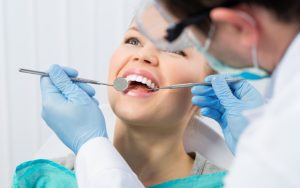
The human smile serves as one of our most powerful forms of non-verbal communication, conveying emotions ranging from joy and warmth to confidence and approachability. When braces Balwyn enters the picture, it creates a fascinating intersection between dental health and emotional expression that extends far beyond mere aesthetics. The relationship between braces and emotional well-being represents a complex psychological phenomenon that influences how individuals perceive themselves and interact with others.
Research demonstrates that facial expressions, particularly smiling, trigger neurological responses that can influence mood and social connections. When orthodontic appliances are introduced, they temporarily alter the mechanics of facial expression, creating an adjustment period during which individuals must adapt their emotional communication patterns. This adaptation process involves both physical and psychological components that work together to reshape how emotions are expressed and perceived.
The Physical Mechanics of Smiling with Orthodontic Appliances
Orthodontic treatment fundamentally changes the oral environment, introducing new elements that interact with the muscles responsible for facial expression. The presence of brackets, wires, and other orthodontic components requires the facial muscles to adapt their movement patterns when forming expressions. This mechanical adjustment affects the amplitude and quality of smiles, often leading to more measured and controlled expressions during the initial phases of treatment.
The temporalis, masseter, and various facial muscles must recalibrate their coordination when orthodontic appliances are present. This recalibration process typically occurs gradually, as the neuromuscular system adapts to the new oral landscape. During this period, individuals often report feeling more conscious of their facial expressions, leading to heightened awareness of their emotional communication patterns.
Psychological Adaptations During Orthodontic Treatment
Self-Perception and Confidence Shifts
The psychological impact of orthodontic treatment extends well beyond the physical presence of appliances. Many individuals experience a complex emotional journey that involves both temporary challenges and long-term benefits. The psychological impact of orthodontic treatment encompasses various emotional stages, from initial adjustment anxiety to growing confidence as treatment progresses.
During the early stages of treatment, many patients report feeling more self-conscious about their appearance, which can temporarily influence their willingness to express emotions openly through facial expressions. This period of adjustment often leads to more reserved smiling patterns and modified social behaviours. However, this initial hesitation frequently gives way to increased confidence as individuals become accustomed to their appliances and begin to see positive changes in their dental alignment.
Social Interaction Dynamics
The presence of orthodontic appliances creates subtle shifts in social dynamics that extend beyond individual self-perception. These changes influence how others perceive and respond to emotional expressions, creating a feedback loop that can shape social interactions. Individuals undergoing treatment often develop enhanced emotional intelligence as they learn to compensate for altered facial expressions through other forms of communication, such as vocal tone and body language.
Orthodontics can subtly influence emotional intelligence development, as patients become more attuned to non-verbal communication cues and develop alternative methods of expressing their feelings. This heightened awareness often persists long after treatment completion, contributing to improved interpersonal skills and emotional awareness.
Long-term Benefits for Emotional Expression
As orthodontic treatment progresses and teeth begin to align properly, many individuals experience a gradual transformation in their emotional expression patterns. The improved dental alignment facilitated by treatments such as braces Balwyn practitioners provide often leads to increased confidence in smiling and emotional expression. This confidence boost creates a positive cycle where improved self-perception encourages more frequent and genuine emotional expressions.
The completion of orthodontic treatment typically marks a significant milestone in emotional expression development. Individuals often report feeling more comfortable with spontaneous smiling and laughing, leading to enhanced social connections and improved overall well-being. Patient insights reveal significant improvements in self-esteem and social interaction following successful orthodontic treatment, highlighting the profound connection between dental health and emotional well-being.
The Lasting Impact on Emotional Well-being
The science of smiling reveals that orthodontic treatment extends far beyond dental correction, influencing fundamental aspects of emotional expression and social interaction. The journey through treatment provides valuable opportunities for personal growth, enhanced self-awareness, and improved communication skills. Understanding these connections helps illuminate why orthodontic care represents such a transformative experience for many individuals, creating lasting positive changes that extend well beyond the completion of treatment. The intersection of dental health and emotional expression continues to demonstrate the remarkable interconnectedness of physical and psychological well-being in human experience.
Any surgical or invasive procedure carries risks. Before proceeding you should seek a second opinion from an appropriately qualified health practitioner.
 By
By